


| Category | Orthopaedics |
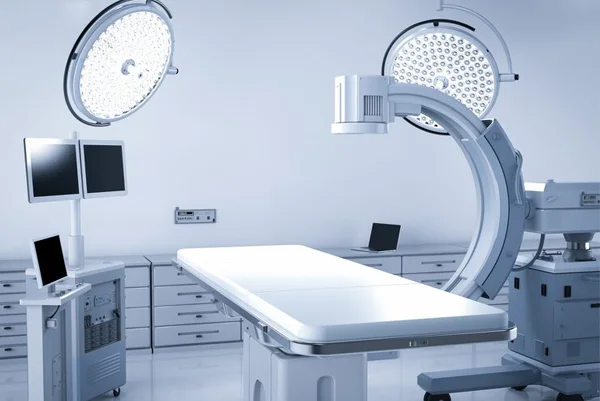
C-ARM Machine Operation is an advanced imaging procedure widely used in orthopaedic, trauma, spine, and surgical treatments to provide real-time X-ray imaging during medical procedures. The C-ARM machine helps doctors visualize bones, joints, implants, fractures, and surgical instruments with high precision, allowing safer, faster, and more accurate surgical outcomes.
The name “C-ARM” comes from the C-shaped arm that connects the X-ray source and image detector, enabling flexible movement around the patient during surgery or diagnostic procedures. This technology plays a crucial role in modern orthopaedic and trauma surgeries by helping surgeons monitor the exact positioning of bones, implants, and instruments in real time.
At Khera Hospital Pvt. Ltd., advanced C-ARM imaging technology is used under the expert supervision of Dr. Vipul Khera to support precise diagnosis, fracture management, joint procedures, spine surgeries, and minimally invasive orthopaedic treatments.
A C-ARM machine is a specialized medical imaging device that uses fluoroscopic X-ray technology to produce real-time images during surgical and diagnostic procedures. It allows surgeons to view internal structures instantly without making large surgical openings.
The machine consists of:
The movable design enables imaging from different angles during procedures.
C-ARM imaging plays a vital role in improving surgical precision and patient safety. It helps surgeons:
C-ARM technology is commonly used in:
The C-ARM machine produces continuous or pulsed X-ray images during a medical procedure. The X-ray beam passes through the body, and the detector captures images that appear instantly on a monitor.
This allows the surgeon to:
The machine can rotate and move easily around the patient to capture images from multiple directions.
Provides instant visualization during procedures for improved accuracy.
Helps doctors perform procedures with greater confidence and control.
Supports smaller incisions and reduced tissue damage.
Real-time guidance helps reduce operation time.
Allows accurate bone alignment and implant placement.
Precise imaging minimizes the risk of surgical errors.
Minimally invasive procedures often result in quicker recovery and reduced hospital stay.
C-ARM technology is useful in treating:
At Khera Hospital Pvt. Ltd., strict safety protocols are followed during C-ARM procedures to ensure patient and staff safety.
Safety measures include:
The benefits of accurate diagnosis and treatment generally outweigh the minimal radiation exposure involved.
Improves precision during complex orthopaedic and spine procedures.
Helps ensure proper positioning of screws, plates, and implants.
Allows smaller incisions and less tissue damage.
Accurate imaging contributes to successful recovery and long-term results.
Provides valuable assistance during emergency and complex surgeries.
Under the expert guidance of Dr. Vipul Khera, patients receive advanced orthopaedic and trauma care supported by modern imaging technology for safer and more effective treatment outcomes.
A C-ARM machine provides real-time X-ray imaging during surgeries and medical procedures.
Yes, C-ARM procedures are generally safe when performed with proper safety measures and controlled radiation exposure.
It helps surgeons accurately align bones, place implants, and monitor procedures in real time.
Yes, real-time imaging often improves efficiency and reduces overall surgical duration.
Yes, C-ARM technology is widely used in minimally invasive orthopaedic and spine procedures.


