


| Category | Orthopaedics |
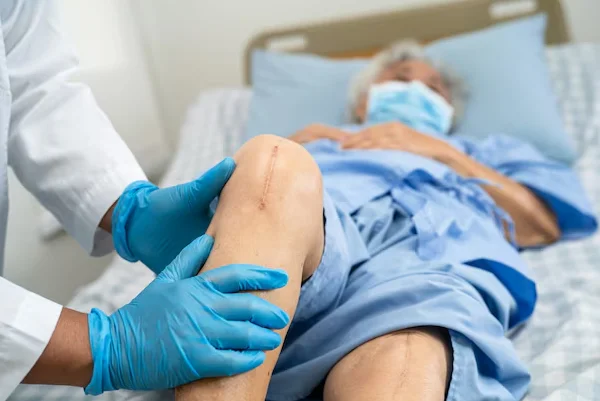
Joint Replacement Surgery is an advanced orthopaedic procedure performed to relieve severe joint pain, restore movement, and improve the quality of life in patients suffering from damaged or worn-out joints. It is one of the most effective treatments for individuals experiencing chronic pain, stiffness, difficulty walking, and reduced mobility due to arthritis, injury, or degenerative joint diseases.
In this procedure, the damaged parts of the joint are replaced with artificial implants specially designed to function like natural joints. Joint replacement surgery helps patients regain independence, improve physical activity, and return to daily life with greater comfort and confidence.
At Khera Hospital Pvt. Ltd., advanced joint replacement procedures are performed under the expert supervision of Dr. Vipul Khera using modern surgical techniques, high-quality implants, and comprehensive rehabilitation programs to ensure safe recovery and long-lasting results.
Joint Replacement Surgery, also known as Arthroplasty, is a surgical procedure in which a damaged or diseased joint is replaced with an artificial implant made from metal, ceramic, or high-grade plastic materials.
The surgery is commonly performed for joints that have become painful and stiff due to:
The goal of the surgery is to relieve pain, improve joint function, and restore mobility.
Replacement of damaged knee joint surfaces to relieve pain and improve walking ability.
Replacement of damaged hip joint components to improve movement and reduce stiffness.
Performed for severe shoulder arthritis or joint damage.
Recommended in advanced arthritis or severe elbow injuries.
Only the damaged part of the joint is replaced while preserving healthy structures.
The entire damaged joint is replaced with an artificial implant.
Joint replacement may be recommended for:
Patients may require joint replacement if they experience:
Persistent symptoms affecting daily life should be evaluated by an orthopaedic specialist.
At Khera Hospital Pvt. Ltd., patients undergo detailed evaluation before surgery, including:
These assessments help determine the severity of joint damage and the most suitable treatment approach.
The orthopaedic surgeon evaluates the patient’s overall health and joint condition.
The procedure is performed under spinal or general anesthesia.
The damaged cartilage and bone portions are carefully removed.
Artificial joint components are implanted to restore smooth movement.
The surgeon checks alignment and stability before closing the incision.
Post-surgical physiotherapy and rehabilitation begin to improve strength and mobility.
The surgery significantly reduces chronic joint pain and discomfort.
Patients regain better movement and flexibility in the affected joint.
The procedure helps patients return to normal daily activities with greater independence.
Modern implants are durable and designed for long-lasting performance.
Joint replacement restores smoother and more stable joint movement.
Patients can walk, climb stairs, and perform routine activities more comfortably.
Recovery depends on the patient’s age, health, and type of surgery performed.
Recovery usually includes:
Most patients gradually return to normal activities within a few weeks to months with proper rehabilitation.
Physiotherapy is an important part of recovery and may include:
Rehabilitation helps improve flexibility, stability, and long-term surgical outcomes.
Patients are advised to:
Proper care helps improve implant longevity and recovery.
Under the expert care of Dr. Vipul Khera, patients receive advanced joint replacement treatment aimed at reducing pain, restoring movement, and improving overall quality of life.
Modern implants can last many years depending on lifestyle, activity level, and proper care.
Pain is managed with modern anesthesia and medications, and most patients experience significant pain relief after recovery.
Recovery varies, but many patients resume normal activities within a few weeks to months.
In some cases, bilateral joint replacement may be recommended depending on the patient’s health condition.
Yes, physiotherapy is essential for restoring strength, flexibility, and proper joint function after surgery.


