


| Category | Orthopaedics |
Fracture & Plaster Treatment is one of the most important orthopaedic procedures used to stabilize broken bones, reduce pain, and support proper healing after an injury or accident. A fracture can occur due to trauma, falls, sports injuries, road accidents, osteoporosis, or excessive stress on bones. Proper and timely treatment is essential to prevent complications and restore normal bone function and mobility.
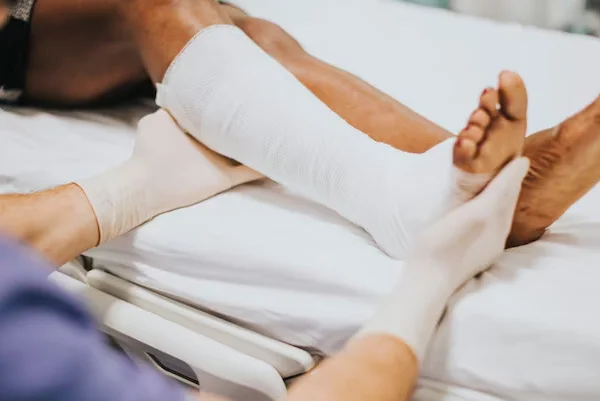
Plaster treatment, commonly known as casting, helps keep the fractured bone in the correct position while it heals naturally. Depending on the type and severity of the fracture, treatment may involve plaster casting, splinting, reduction procedures, or surgical intervention.
At Khera Hospital Pvt. Ltd., advanced fracture and trauma care is provided under the expert supervision of Dr. Vipul Khera using modern diagnostic tools and evidence-based orthopaedic treatment techniques to ensure safe recovery and faster healing.
A fracture is a medical condition in which a bone cracks, breaks, or loses its continuity due to injury or excessive force. Fractures can range from minor hairline cracks to severe bone breaks involving displacement or multiple fragments.
Bone fractures require immediate medical attention to prevent improper healing, deformity, infection, or long-term mobility issues.
Plaster treatment involves applying a hard protective cast around the fractured area to immobilize the bone and support healing. The plaster keeps the injured bone stable and prevents unnecessary movement during recovery.
Modern plaster casts are usually made using:
The type of plaster depends on the location and severity of the fracture.
The bone breaks but does not pierce the skin.
The broken bone comes through the skin and carries a higher risk of infection.
A small crack in the bone commonly caused by stress or overuse.
The bone breaks into multiple fragments.
Common in children where the bone bends and partially breaks.
The broken bone moves out of its normal alignment.
Small bone cracks caused by repetitive stress or overuse.
Common symptoms may include:
Immediate medical evaluation is important if a fracture is suspected.
Fractures may occur due to:
At Khera Hospital Pvt. Ltd., fracture diagnosis is performed using advanced imaging and clinical evaluation techniques such as:
Accurate diagnosis helps determine the most effective treatment approach.
The orthopaedic specialist carefully evaluates the injury, pain, swelling, and bone alignment.
X-rays or scans are performed to confirm the fracture type and severity.
If the bone is displaced, the doctor may reposition it into proper alignment before applying the plaster.
A cast or plaster is applied around the affected area to immobilize the bone and support healing.
Regular follow-up visits and imaging may be required to monitor healing progress and adjust treatment if needed.
After plaster removal, physiotherapy and rehabilitation exercises may be recommended to restore strength and mobility.
The plaster stabilizes the bone and allows proper healing in the correct position.
Immobilization helps decrease pain and inflammation around the injured area.
The cast protects the fractured bone from additional damage.
Timely treatment helps restore mobility and normal bone function faster.
Proper fracture management reduces the risk of deformity and long-term joint problems.
Recovery time depends on:
Most fractures heal within a few weeks to months with proper medical care and rehabilitation.
Patients are advised to:
Patients with plaster casts should:
Proper cast care is important for successful healing.
Under the expert guidance of Dr. Vipul Khera, patients receive advanced fracture care focused on pain relief, proper bone healing, and faster recovery.
Healing time varies depending on the type and severity of the fracture, but most fractures heal within 6–12 weeks.
The plaster itself is not painful, though mild discomfort may occur initially due to swelling or injury.
It depends on the location and severity of the fracture. Your doctor will guide you regarding movement and weight-bearing activities.
Avoid getting the cast wet, inserting objects inside it, or putting excessive pressure on the injured area.
Yes, physiotherapy is often recommended to restore muscle strength, flexibility, and joint movement after prolonged immobilization.


